45 Thomas Johnson Dr., Suites 209, 210, 211, Frederick, MD 21702

SURGICAL DERMATOLOGY
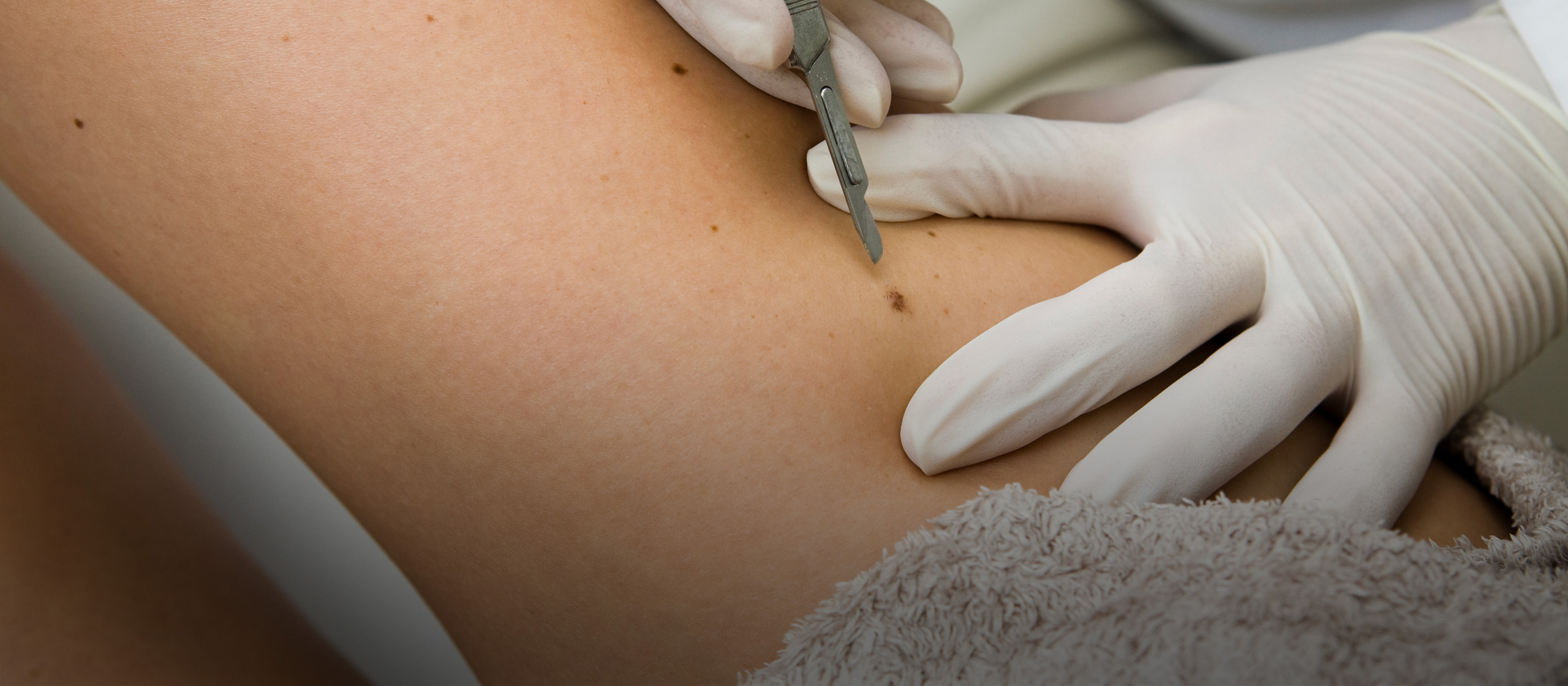
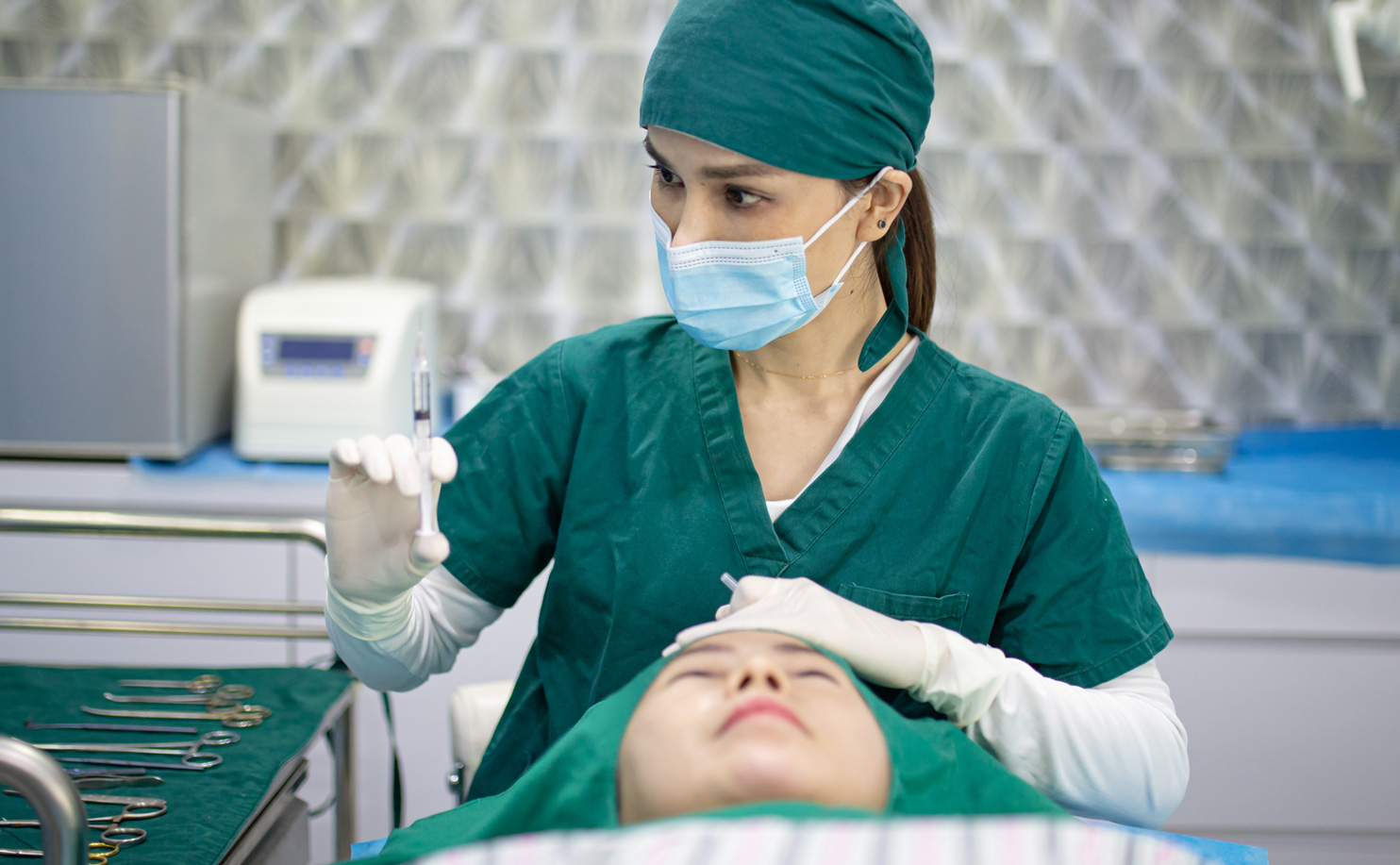
Surgery of the skin or dermatological surgery deals with the diagnosis and treatment of medically necessary and cosmetic conditions of the skin, hair, nails, veins, mucous membranes and adjacent tissues by various surgical, reconstructive, cosmetic and non-surgical methods. The purpose of skin surgery is to repair and/or improve the function and cosmetic appearance of skin tissue.
Examples of dermatological surgery procedures include treatment of skin cancers, mole removal, anti-aging treatments, injectable and implantable soft tissue fillers, botulinum toxin (Botox™) treatments, correction of acne scarring, chemical peeling, vein therapy, hair restoration, and laser surgery.
Mohs
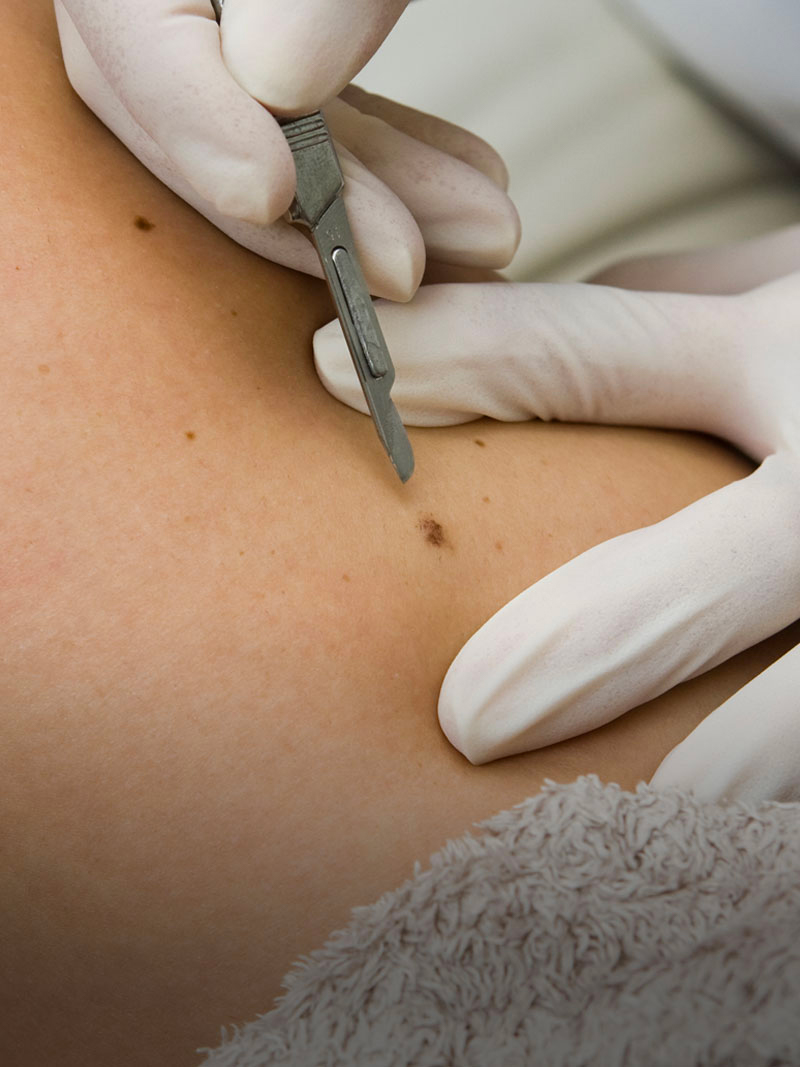
Mohs Micrographic Surgery, an advanced treatment procedure for skin cancer, offers the highest potential for recovery, even if the skin cancer has been previously treated. This procedure is a state-of-the-art treatment in which the physician serves as surgeon, pathologist and reconstructive surgeon. It relies on the accuracy of a microscope to trace and ensure removal of skin cancer down to its roots. This procedure allows dermatologists, trained in Mohs Surgery, to see beyond the visible disease, and to precisely identify and remove the entire tumor, leaving healthy tissue unharmed. This procedure is most often used in treating two of the most common forms of skin cancer: basal cell carcinoma and squamous cell carcinoma.
The cure rate for Mohs Micrographic Surgery is the highest of all treatments for skin cancer, and is useful even if other forms of treatment have failed. This procedure, the most exact and precise method of tumor removal, minimizes the chance of regrowth and lessens the potential for scarring or disfigurement.
Additional Information
Please click here to view What to Expect on Mohs Surgery Day
Please click here to view our Wound Care Instructions
Mohs micrographic surgery, often referred to simply as Mohs surgery, is a specialized surgical technique used to treat skin cancer, particularly non-melanoma types like basal cell carcinoma and squamous cell carcinoma. The procedure is named after Dr. Frederic Mohs, who developed it in the 1930s.
How it works…
- 1. Anesthesia: The surgery begins with the administration of local anesthesia to numb the area around the cancerous growth.
- 2. Removing the Skin: The surgeon removes the visible tumor along with a thin layer of surrounding skin.
- 3. Microscopic Examination: The removed tissue is immediately processed and examined under a microscope to check for cancer cells.
- 4. Mapping: If cancerous cells are detected, the surgeon maps the area to identify where additional cancerous cells may remain.
- 5. Further Layers: The process is repeated—removing another layer of skin, examining it microscopically, and mapping—until clear margins are achieved, meaning no cancerous cells are found in the surrounding skin.
Advantages over wide local excision:
– Maximizes Skin Preservation: Mohs allows for the precise removal of cancer with minimal damage to surrounding healthy skin, which is especially important in cosmetically sensitive areas like the face.
– High Cure Rate: Mohs surgery has one of the highest cure rates for skin cancer, often exceeding 99% for basal cell carcinoma and squamous cell carcinoma.
– Immediate Results: Because the tissue is examined on the spot, patients receive immediate feedback on the status of their cancer.
Recovery: Mohs surgery varies depending on the size and location of the cancer removed. Patients might experience some swelling, redness, or discomfort, which usually subsides over time. The surgical site will heal, and Dr. Aerlyn Dawn will provide post-operative care instructions, which may include how to care for the wound and when to return for follow-up visits.
Ideal Candidates:
- 1. Cancers located on the face, ears, or other areas where cosmetic outcome is important.
- 2. Large cancers or those that have recurred after previous treatment.
- 3. Tumors with unclear borders.
Considerations: While Mohs surgery is highly effective, it requires a Board Certified Mohs surgeon. While Dr. Dawn is extensively trained to make the surgical scar almost invisible, there is no scarless surgery.
To that end, Frederick Dermatology Associates has added in Gentle Cure in 2025 in order to allow patients a non-surgical option to treat basal cell and squamous cell without surgery and possibly less scarring for removal of basal cell and squamous cell skin cancers. While Gentle Cure requires more treatments, there is no surgery, less potential for scarring, but it does require more treatments
In summary, Mohs micrographic surgery is a precise and effective method for treating skin cancer, allowing for complete removal while preserving healthy tissue. If you or someone you know is facing skin cancer, this surgery may be something worth considering and Dr. Aerlyn Dawn is one of the best Mohs surgeons available.
What’s the Difference Between GentleCure and Mohs Surgery?
At Frederick Dermatology Associates, we offer both GentleCure and Mohs surgery because each method has specific strengths. The right treatment depends on the type of skin cancer, its location, and your individual medical needs. Here’s a straightforward comparison to help you understand how they differ.
GentleCure (Image-Guided Superficial Radiotherapy)
GentleCure is a non-surgical treatment that uses image-guided, low-energy radiotherapy to treat certain types of basal cell and squamous cell skin cancers.
• No cutting or stitches
• Non-invasive and generally well tolerated
• Often chosen for areas where minimizing disruption to the skin is desired
• Completed over a series of short visits
• Does not require anesthesia
• Appropriate for select skin cancers based on depth, location, and tumor type
Mohs Micrographic Surgery
Mohs surgery is a precise, tissue-sparing surgical technique performed by a fellowship-trained Mohs surgeon. Cancer is removed in layers, and each layer is examined under a microscope in real time.
• Considered the gold standard for many high-risk or aggressive tumors
• Offers the highest level of margin control
• Typically recommended for cancers on the face, ears, scalp, and other sensitive areas
• Performed in a single visit
• May require stitches or reconstructive repair depending on the size of the surgical area
Which Treatment Is Right for Me?
There is no single “best” treatment for every skin cancer. Both GentleCure and Mohs surgery are effective and well-established, but they are used in different situations. Factors we consider include:
• Tumor type (basal cell vs squamous cell)
• Tumor behavior (low-risk vs high-risk)
• Depth and size
• Location on the body
• Your health, preferences, and lifestyle
• Cosmetic and functional considerations
| Feature | GentleCure (Image-Guided Superficial Radiotherapy) | Mohs Surgery |
|---|---|---|
| Type of Treatment | Non-surgical, non-invasive radiotherapy | Surgical procedure removing thin layers of tissue |
| How It Works | Uses ultrasound imaging to map the cancer, then delivers low-energy radiotherapy to target cancer cells | Removes tissue layer by layer and examines each layer under a microscope until clear margins are achieved |
| Ideal For | Select basal cell and squamous cell skin cancers, especially when a non-surgical approach is preferred | Many high-risk, aggressive, or recurrent tumors; areas where precise margin control is essential |
| Anesthesia Needed? | No anesthesia required | Local anesthesia used |
| Number of Visits | Series of short visits over several weeks | Typically completed in a single visit |
| Recovery | No wound care; minimal disruption to daily activities | Surgical wound care required; downtime varies |
| Scarring | No cutting or stitches; minimal cosmetic impact | May leave a scar depending on tumor size and reconstruction |
| Pain/Comfort | Generally well-tolerated and comfortable | Involves injections and tissue removal; discomfort varies |
| Margin Control | Guided by imaging and clinical judgment | Real-time microscopic margin evaluation (gold standard for certain cancers) |
| Best For Patients Who | Prefer a non-surgical option, have certain medical conditions, or wish to avoid surgical wounds | Require precise cancer margin control or have cancers in high-risk locations |
| Effectiveness | Highly effective for appropriate tumor types | Highest cure rates for many aggressive or complex tumors |
| Insurance Coverage | Covered by most insurance plans and Medicare | Covered by most insurance plans and Medicare |
Interested in learning more about this procedure? Contact us today for more information.
Tell us a little about yourself. A member from our Concierge Team will get back to you shortly with next steps, and a plan of action.
FREQUENTLY ASKED QUESTIONS
What is Mohs Surgery?
Mohs surgery is a microscopically-guided procedure for skin cancer removal named after Dr. Frederic Mohs. It was originally developed by Dr. Mohs (pronounced “moze”) and since that time, the technique has been significantly advanced and refined. Today, Mohs surgery is widely accepted as the treatment with the highest cure rate for skin cancers in sensitive areas and for certain other hard to treat skin cancers. Health insurance will only cover Mohs surgery for skin cancers that meet certain criteria for location, size, and/or complexity.
What is the Difference Between Mohs Surgery and Image Guided Superficial Radiation (Gentle Cure)?
Mohs surgery and image-guided superficial radiation therapy (IGSRT)/Gentle Cure are both effective treatments for basal cell carcinoma (BCC) and squamous cell carcinoma (SCC), but they differ significantly in their approach, techniques, and outcomes. They both have similar cure rates. Here’s a breakdown of both methods:
Surgical Removal: In Mohs surgery, a surgeon removes the cancerous skin and a thin layer of surrounding tissue. Each layer is examined during the procedure to ensure complete cancer removal.
- Immediate Results: Patients find out right away if the cancer has been entirely excised.
- Tissue Preservation: Mohs aims to remove as little surrounding healthy tissue as possible, which is especially important for cosmetic areas.
Advantages:
- High Cure Rate/ Very effective with a high cure rate.
- Precision: Ideal for complex cases, such as aggressive tumors or those in cosmetically sensitive areas.
- Immediate Feedback: The ability to confirm if the cancer has been fully removed in real time.
Image-Guided Superficial Radiation Therapy (IGSRT) aka Gentle Cure:
Is superficial radiation treatment: Instead of cutting out the cancer, IGSRT uses targeted radiation to destroy cancer cells. This is a non-invasive option that directs radiation precisely to the tumor site.
- Multiple Sessions: Treatment typically involves several sessions over a set period, with each session lasting a short time. Most patients require 20 treatments. This usually requires patients coming three times a week. Each appointment is relatively short and you will be in the office about 15 minutes.
Advantages to Gentle Cure:
- Non-Invasive: Ideal for patients who may not be surgical candidates due to health issues or who prefer to avoid surgery.
- Minimal Downtime: Less recovery time compared to surgery as it does not involve cutting into the skin.
- Good for Surface Cancers: Effective for superficial skin cancers, especially in areas where surgery may lead to significant scarring.
Key Differences between Mohs surgery and Gentle Cure
1. Invasiveness: Mohs surgery is invasive, while IGSRT is non-invasive.
2. Immediate Feedback: Mohs surgery provides immediate results regarding cancer removal, whereas IGSRT requires multiple sessions and time for the skin to heal.
3. Recovery Time: Mohs usually involves more recovery time due to surgical intervention, while IGSRT generally has minimal downtime.
4. Effectiveness: While both treatments can be effective, Mohs is maybe preferred for highly aggressive non-melanoma skin cancers. A consultation should be done to decide which approach is best for you given the histology from the initial diagnostic biopsy.
Conclusion: Choosing between Mohs surgery and image-guided superficial radiation therapy depends on several factors, including the type and location of the skin cancer, patient health, and personal preferences.
Insurance generally covers both. We can help you determine your patient responsibility if deciding between treatment options.
To learn more about Gentle Cure, please click here.
Surgical Removal: In Mohs surgery, a surgeon removes the cancerous skin and a thin layer of surrounding tissue. Each layer is examined during the procedure to ensure complete cancer removal.
- Immediate Results: Patients find out right away if the cancer has been entirely excised.
- Tissue Preservation: Mohs aims to remove as little surrounding healthy tissue as possible, which is especially important for cosmetic areas.
Advantages:
- High Cure Rate/ Very effective with a high cure rate.
- Precision: Ideal for complex cases, such as aggressive tumors or those in cosmetically sensitive areas.
- Immediate Feedback: The ability to confirm if the cancer has been fully removed in real time.
Image-Guided Superficial Radiation Therapy (IGSRT) aka Gentle Cure:
Is superficial radiation treatment: Instead of cutting out the cancer, IGSRT uses targeted radiation to destroy cancer cells. This is a non-invasive option that directs radiation precisely to the tumor site.
- Multiple Sessions: Treatment typically involves several sessions over a set period, with each session lasting a short time. Most patients require 20 treatments. This usually requires patients coming three times a week. Each appointment is relatively short and you will be in the office about 15 minutes.
Advantages to Gentle Cure:
- Non-Invasive: Ideal for patients who may not be surgical candidates due to health issues or who prefer to avoid surgery.
- Minimal Downtime: Less recovery time compared to surgery as it does not involve cutting into the skin.
- Good for Surface Cancers: Effective for superficial skin cancers, especially in areas where surgery may lead to significant scarring.
Key Differences between Mohs surgery and Gentle Cure
1. Invasiveness: Mohs surgery is invasive, while IGSRT is non-invasive.
2. Immediate Feedback: Mohs surgery provides immediate results regarding cancer removal, whereas IGSRT requires multiple sessions and time for the skin to heal.
3. Recovery Time: Mohs usually involves more recovery time due to surgical intervention, while IGSRT generally has minimal downtime.
4. Effectiveness: While both treatments can be effective, Mohs is maybe preferred for highly aggressive non-melanoma skin cancers. A consultation should be done to decide which approach is best for you given the histology from the initial diagnostic biopsy.
Conclusion: Choosing between Mohs surgery and image-guided superficial radiation therapy depends on several factors, including the type and location of the skin cancer, patient health, and personal preferences.
Insurance generally covers both. We can help you determine your patient responsibility if deciding between treatment options.
To learn more about Gentle Cure, please click here.
Do You Have a Video Example of Mohs Surgery?
Please see the helpful patient education video created by the American College of Mohs Surgery: https://www.skincancermohssurgery.org/
Who Performs Mohs Surgery?
Dr. Aerlyn Dawn is a fellowship-trained Mohs surgeon and a member of the prestigious Mohs College. He graduated magna cum laude from Harvard University and received his medical degree from the Duke University School of Medicine. Dr. Dawn completed a Dermatology residency at the University Pennsylvania in Philadelphia and a fellowship in Mohs surgery and procedural dermatology. Dr. Dawn is a Diplomate of the American Board of Dermatology and has extensive experience in Mohs surgery for skin cancer and reconstructive surgery. Dr. Dawn is assisted by a specialized team consisting of several surgical assistants, a technician who helps prepare tissue for microscopic examination, and our office staff.
What are the Advantages of Mohs Surgery?
Many skin cancers have microscopic “roots” may extend wider and deeper than the visible tumor. If the tumor is not completely removed, the skin cancer may recur. To treat a skin cancer, most physicians must remove a wide margin of normal skin around the visible skin cancer. Even with this safety margin, skin cancers removed with simple excision, destructive techniques, or topical medications may recur and may require additional surgical procedures. Other treatment methods require estimating how large an area to treat, which can result in the unnecessary removal of healthy tissue and recurrence if any cancer is missed. When a cancer recurs, it may not be apparent for several years and the recurrent cancer may be much larger and deeper than it was originally. In contrast, Mohs surgery allows us to track the tumor microscopically. Mohs surgery is unique because of the way the cancerous tissue is removed and microscopically examined, which allows evaluation of 100% of the surgical margins. Therefore, Mohs surgery is better able to ensure that the entire skin cancer is completely removed while also allowing us to remove as little normal, healthy skin as possible. This is particularly important in functionally or cosmetically sensitive areas. Like any surgical procedure, Mohs surgery will leave a scar, but preserving the maximum amount of surrounding healthy skin offers the best possible cosmetic result.
I Don’t See Anything After My Biopsy. Does It Really Need Treatment?
Yes! It is common that a skin cancer is no longer be visible after a biopsy. However, the visible surface of the lesion that was removed with your biopsy may only represent the “tip of the iceberg.” In most cases, cancerous cells remain and can continue to grow wider and deeper like roots of a tree. These cancerous “roots” are not visible to the naked eye. If all cancerous tissue is not completely removed, the tumor is likely to continue growing and require more extensive surgery. Untreated tumors can invade into nearby structures such as muscle, nerves, cartilage, and bone. In a small percentage of cases, cancerous cells can metastasize to lymph nodes and organs and occasionally can be fatal.
Why Does My Cancer Need Mohs Surgery?
Mohs surgery offers the highest cure rate of all skin cancer treatments. There are other skin cancer treatment options including freezing (cryosurgery), topical medications, scraping & burning, surgical removal (simple excision), and radiation therapy. These other treatments require the doctor to estimate how large of an area to treat around the tumor. There are many advantages to Mohs surgery compared to other other skin cancer treatments including its high cure rate and cost-effectiveness. Mohs surgery is especially useful for skin cancers that develop in areas where preserving cosmetic appearance and function are important, skin cancers that have recurred after previous treatment (or are likely to recur) as well as skin cancers that are large, ill-defined, or grow rapidly.
How is Mohs Surgery Performed?
Mohs surgery is performed in our office on an outpatient basis. Typically, Mohs surgery begins in the morning and is completed the same day, depending on the extent of the tumor and the amount of reconstruction necessary. You will be awake during the entire procedure. First, the site is marked and the area around the tumor is numbed with local anesthetic. Local anesthesia avoids the lengthy recovery and possible side effects associated with general anesthesia. The area of the surgery is completely numb, so most patients have little discomfort during surgery. Dr. Dawn removes the marked tumor with a narrow margin. A technician in our in-office laboratory helps prepares the tissue and mount it on glass slides for Dr. Dawn to examine under a microscope. If any cancer cells remain at the outer edges of the tissue, their locations are carefully diagrammed on a map. Using this map as a guide, Dr. Dawn removes additional tissue from the area where the cancer was detected. Depending on the branching pattern of the tumor, this process may need to be repeated several times. This ensures that cancerous tissue is removed during the procedure and minimizes the loss of healthy tissue. Dr. Dawn repeats these steps until the examined tissue is free of cancer. Although some tumors require more, most tumors require 1 to 3 stages of Mohs surgery for complete cancer removal.
What are the Risks of Mohs Surgery?
Scarring: All surgery results in a scar. Mohs surgery should, however, result in the smallest possible scar. In most cases, scars are initially pink and bumpy and then gradually fade over time. Occasionally, minor procedures are used to improve the final scar appearance.
Bleeding: Though more extensive bleeding is possible, minor bleeding after surgery is common and is usually easily controlled.
Pain: During surgery, pain is limited to the initial needles used for local anesthesia. Following surgery, most patients experience minor discomfort which can be controlled by extra strength Tylenol and icing.
Infection: Infection following surgery is possible but uncommon. If an area does become infected, it can usually be treated with oral antibiotics.
Nerve Damage: Numbness or tingling around the surgical site is common and usually gradually resolves over time. Occasionally, your skin cancer may be located near a larger sensory nerve or a nerve that connects to a muscle. If such a nerve is damaged, permanent numbness or impaired muscle movement is possible.
Recurrence: Mohs surgery offers the highest cure rate of all skin cancer treatments (98% to 99% for most tumors). However, no treatment can guarantee that the tumor will not grow back. Rarely, a tumor may reappear within the treated area.
Bleeding: Though more extensive bleeding is possible, minor bleeding after surgery is common and is usually easily controlled.
Pain: During surgery, pain is limited to the initial needles used for local anesthesia. Following surgery, most patients experience minor discomfort which can be controlled by extra strength Tylenol and icing.
Infection: Infection following surgery is possible but uncommon. If an area does become infected, it can usually be treated with oral antibiotics.
Nerve Damage: Numbness or tingling around the surgical site is common and usually gradually resolves over time. Occasionally, your skin cancer may be located near a larger sensory nerve or a nerve that connects to a muscle. If such a nerve is damaged, permanent numbness or impaired muscle movement is possible.
Recurrence: Mohs surgery offers the highest cure rate of all skin cancer treatments (98% to 99% for most tumors). However, no treatment can guarantee that the tumor will not grow back. Rarely, a tumor may reappear within the treated area.
How Large Will the Wound Be?
The size and shape of the wound depends upon the extent of the skin cancer. Though this cannot be accurately predicted before surgery, it is usually larger than the visible skin cancer or biopsy scar.
How Will the Wound be Repaired?
In certain areas, wounds may do best if allowed to heal on their own. However, most defects require stitches. Large or complicated wounds may need reconstruction with a skin flap or skin graft. Both techniques involve moving healthy skin to cover the surgical wound. Unusually large or complicated wounds may sometimes require consultation with another surgical specialist. The type of repair needed for your wound cannot be determined until the entire skin cancer is removed. Remember that the first goal of Mohs surgery is to completely remove the skin cancer. Once this is accomplished, Dr. Dawn and our staff will help you to achieve the best cosmetic outcome possible.
Will I Have Stitches?
Stitches are needed to close most wounds. Dr. Dawn considers the wound size, depth, and location, quality of surrounding skin, your lifestyle and preferences, and other factors in deciding with you how to best repair your wound. The wound repair options will be discussed with you on the day of Mohs surgery. Wound repair options include:
Linear Closure: Most wounds are sutured closed in a linear fashion. Depending on the location, sutures are typically removed 1 to 2 weeks after Mohs surgery.
Flap: Flap reconstruction allows us to repair complicated wounds by taking advantage of more flexible nearby tissue and sliding or rearranging it to repair your wound.
Skin Graft: In some instances, most commonly on the nose or ears or for very large wounds, it is necessary to harvest skin from another location as a skin graft to repair your wound.
Second Intention Healing: The body has an excellent capacity to heal open wounds in some locations. We most commonly consider second intention healing for wounds on the scalp or legs. These wounds may take 2 to 4 months to heal depending on the location, size, and depth of the wound. Second intention wounds requires daily wound care and complicated wound sometimes require referral to a local wound care center to aid healing.
Linear Closure: Most wounds are sutured closed in a linear fashion. Depending on the location, sutures are typically removed 1 to 2 weeks after Mohs surgery.
Flap: Flap reconstruction allows us to repair complicated wounds by taking advantage of more flexible nearby tissue and sliding or rearranging it to repair your wound.
Skin Graft: In some instances, most commonly on the nose or ears or for very large wounds, it is necessary to harvest skin from another location as a skin graft to repair your wound.
Second Intention Healing: The body has an excellent capacity to heal open wounds in some locations. We most commonly consider second intention healing for wounds on the scalp or legs. These wounds may take 2 to 4 months to heal depending on the location, size, and depth of the wound. Second intention wounds requires daily wound care and complicated wound sometimes require referral to a local wound care center to aid healing.
How Long Will Mohs Surgery Take?
Please plan to spend most of the day with us. Because we cannot predict the size of your skin cancer before surgery, it is impossible to determine exactly how long the process may take for your cancer. We will try to keep your day as short as possible. For each stage of Mohs surgery, it may take 2 hours or more to process and evaluate your tissue in our laboratory. Depending on the extent of your skin cancer, this cycle may need to be repeated several times throughout the day until your tumor is entirely removed. In most cases, Dr. Dawn will repair your wound on the same day as your Mohs surgery.
Can a Family Member Stay with Me During My Surgery?
You are welcome to have a family member accompany you to the office for your surgery day. If you wish, they are welcome to stay in the room for the pre-operative discussion and for post-operative bandaging instructions. Family members will be asked to return to the waiting room during your surgery.
Will I Need Follow Up Visits?
For some wounds, only one return visit may be needed to remove stitches or examine the healing surgical site. For larger wounds or more complicated reconstructions, several follow up visits may be required. After surgery, it is essential that you return to your referring dermatologist within 3-6 months for routine skin examinations.
How Should I Prepare for Surgery?
The morning of your surgery, follow your normal routine. Bathe or shower, eat a good breakfast, and take any prescription medications (except anti-anxiety medications).
Should I Take My Anti-Anxiety Medication?
If you take anti-anxiety medication, make sure to come to the office at least 30 minutes early. Do not take any anti-anxiety medication until we instruct you to do so in the office. Otherwise, we may have to reschedule your surgery. Bring your anti-anxiety medication with you to the office. Our staff will instruct you when to take it before the procedure begins.
Should I Take My Regular Medications?
Continue to take all medications prescribed by your physician. (except anti-anxiety medications).. Be sure to take all of your medicines the morning of surgery, and bring any doses that you take during the day with you to the office. If you take daily aspirin or fish oil only for general health prevention (not for a specific medical condition), please discontinue at least 2 weeks prior to surgery.
Can I Drink Alcohol Before Mohs Surgery?
Alcohol increases the risk of bleeding. Please avoid alcohol for at least one day prior to surgery and at least two days after surgery.
Can I Eat Before Mohs surgery?
Yes, there are no dietary restrictions prior to Mohs surgery. We recommend that you bring lunch with you.
What Restrictions Will I Have After Surgery?
In general, you will need to avoid ANY exercise for at least 48 hours after surgery. Avoid straining, bending over, or lifting objects over 10-15 pounds for at least two weeks after surgery.
* Do NOT drink alcohol for 48 hours after surgery. Alcohol increases your risk of bleeding.
* Do NOT smoke during your healing after surgery. Cigarette smoking constricts blood vessels, impairs wound healing, and can sometimes cause failure of the surgical reconstruction.
* Do NOT drink alcohol for 48 hours after surgery. Alcohol increases your risk of bleeding.
* Do NOT smoke during your healing after surgery. Cigarette smoking constricts blood vessels, impairs wound healing, and can sometimes cause failure of the surgical reconstruction.
What Will My Scar Look Like?
Our goal is to achieve the best possible scar for each patient. The scar depends on many factors including the size, depth, and location of the skin cancer, the condition of the surrounding skin, the amount of tension on the area, the type of repair, as well as post-operative wound care and activity. In most cases the scar is significantly longer than the wound. For a linear closure of a circular wound, the suture line and resulting scar is usually about three times as long as the wound in order to avoid puckering or bunching of the surrounding tissue. Each person heals differently and we cannot guarantee how any particular wound will heal. Scar tissue continues to mature for many months after surgery, and it usually takes at least one year to see the final appearance of the scar.
Do I Need to See a Plastic Surgeon?
We repair most wounds in our office. The decision to see a plastic surgeon to repair a wound after Mohs surgery is mostly up to you. If you feel more comfortable having a plastic surgeon close your wound after Mohs surgery, it is best to coordinate this ahead of time so that your wound can be repaired promptly. If you wish to coordinate with an outside surgeon, please let us know before your scheduled Mohs day. It is important that you communicate this information to us so that we can help plan for your surgery and provide the other surgeon with any information they need. For unusually large or complicated wounds, we sometimes recommend having another specialist repair the wound. In these cases, we will help make the arrangements for you.
What Should I Expect After Surgery?
It is very common to have swelling, redness, firmness, and bruising in the first weeks after surgery. If surgery was performed on the upper face, one or both eyes may swell shut temporarily. Swelling usually worsens for 3 days after surgery. We advise frequent icing over the surgical site during the first 24-48 hours. Some patients will have mild to moderate pain after surgery. Pain is usually worst in the first 48 hours and improves significantly after that. It is common for the area around your wound to be numb to the touch for weeks or months after surgery
Do I need to Have Someone Drive Me?
We recommend having a driver if your surgery is above or below your eye or if you take any anti-anxiety medication. Even with minor procedures, some patients may feel anxious or nervous and having company is helpful. Due to the limited space in the waiting room, please try to limit to one friend or family member. This will ensure your comfort as well as the comfort of other patients who will also be having surgery the same day.
How Long Does it Take to Heal After Mohs Surgery?
Depending upon the size and location of your surgery, healing may take anywhere from several weeks to several months. It is common to have swelling, bruising, and numbness for several weeks or more after surgery. It takes at least one year to see the final scar after surgery. We are available if you have questions or concerns about how your surgical site is healing.
WELCOME TO FREDERICK, MD
Frederick Dermatology Associates has put Frederick, MD on the map as a regional authority on skin health and wellness. With an emphasis on building a natural, refreshed look in our patients, we focus on innovations in cosmetic, medical and aesthetic dermatology, backed by experience and supervision by our board-certified dermatologists. Whether you’re local or out of town, consider Frederick, MD as your destination for excellence in dermatology.
A PATIENT-FIRST APPROACH
GET THE MOST OUT OF YOUR FDA EXPERIENCE!
Introducing the Frederick Dermatology Associates Loyalty Program! Remember to get your loyalty card stamped for products and services purchased to earn your way to a free Aura brand product (some conditions apply).
LOOKING FOR DEALS?
Sign up to be added to our email list to receive exclusive promotional offers on all of our body shaping services.