
45 Thomas Johnson Dr., Suites 209, 210, 211, Frederick, MD 21702

MINIMAL SCARRING.


GENTLECURE
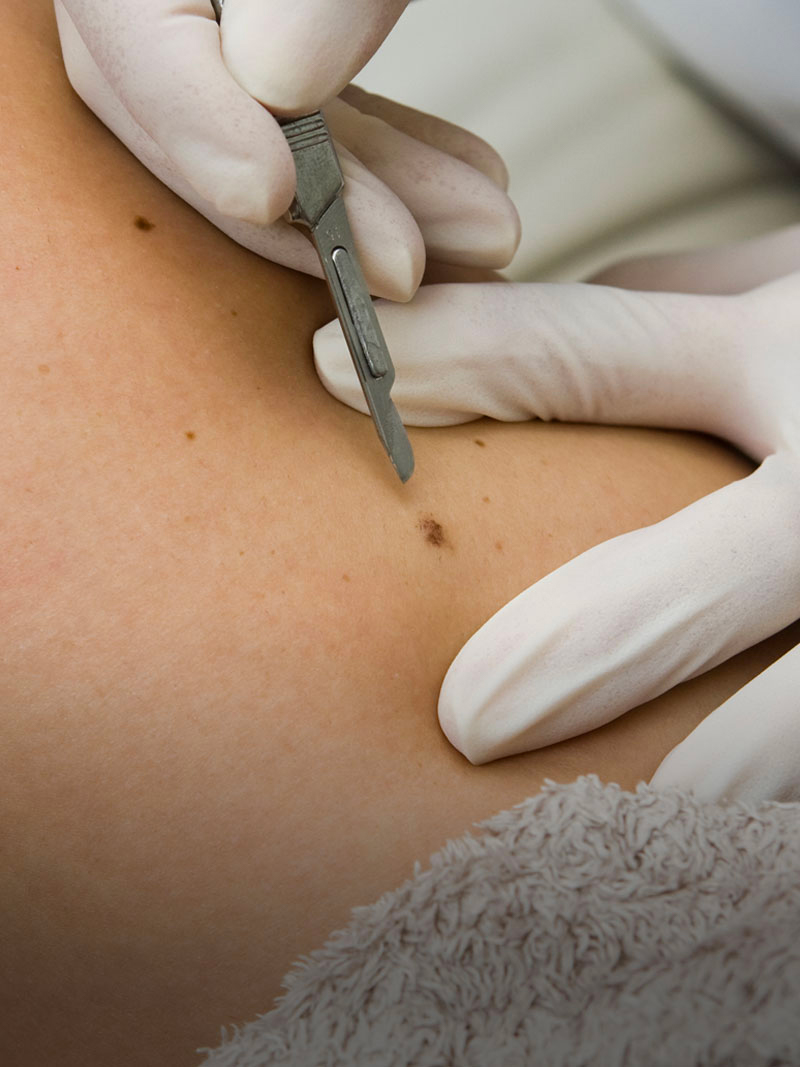
GentleCure is an innovative treatment that combines cutting-edge technology with a non-invasive approach to remove skin cancer. It utilizes a specially designed light energy to target and destroy cancerous cells, leaving surrounding healthy tissue unharmed. This method offers a more comfortable alternative to traditional treatments such as surgery or Mohs micrographic surgery. With GentleCure, recovery time is faster, and there’s less discomfort.
GentleCure Skin Cancer Treatment: Safe, Effective, and Minimally Invasive
Welcome to Frederick Dermatology Associates, your trusted partner in skin health. If you’ve been diagnosed with skin cancer, or you’re looking for the best treatment options available, GentleCure may be the solution you need. It’s a revolutionary, minimally invasive treatment for skin cancer that allows for faster healing and minimal scarring.
At Frederick Dermatology Associates, we are committed to offering the most effective, cutting-edge treatments. GentleCure uses advanced technology to treat skin cancer with precision, providing our patients with a safer, more comfortable experience.
The gentle, surgery-free skin cancer treatment
• No cutting, surgical scarring, or need for reconstructive surgery
• Treatment is done right in your dermatologist’s office by a Radiation Therapist (RTT)
• Keep taking your regular medicines and doing your regular activities
• Watch your cancer shrink at each visit
• Treatment is covered by most insurance plans and Medicare
• More than 1 skin cancer can be treated at a time
We are proud to offer GentleCure as part of our comprehensive skin cancer treatment options. Our team of highly skilled dermatologists and medical professionals are dedicated to providing personalized, compassionate care.
What should I expect during GentleCure treatment?
Treatment with GentleCure happens over 3 phases.
1. Simulation phase: a “dress rehearsal” for treatment
You will not receive treatment during this first visit, which lasts about 30 minutes. This visit is used to:
• Do an ultrasound to measure your skin cancer
• Set up the Image-Guided SRT machine
• Help you feel comfortable with what will happen at each visit
2. Treatment phase: watch the cancer go away
Treatment will be given 3 to 4 times each week at visits that each last 10 to 15 minutes. During those visits, your RTT will take you through the same steps you practiced in the simulation visit. With each visit, you will watch the dark area on the ultrasound (the cancer) get smaller and smaller.
3. Follow-up phase: keep your skin healthy
You will come back in the months after your last treatment visit. Your RTT will do an ultrasound to show that your cancer responded well to treatment.
Why might GentleCure be right for me?
It is important to work together with your dermatologist to find the right treatment for your skin cancer. Talk about your cancer and overall health, your treatment goals, and what you want the experience to be like. Also be sure to ask questions about your treatment options.
- 99%+ cure rate
- 99%+ patient satisfaction
*Based on a 2021 peer-reviewed study published in Oncology and Therapy in which a retrospective chart review was conducted to evaluate local control rates of 1,632 people with 2,917 stage 0-II skin cancers with an average follow-up of 2.1 years. See GentleCure.com for a full overview of published research for Image-Guided SRT.
If you’ve been diagnosed with skin cancer or are concerned about your skin health, don’t wait—contact Frederick Dermatology Associates today. Our team will guide you through every step of the GentleCure treatment process, ensuring the best possible outcomes.
Call us at (301) 6626-6755 or fill out the form below to schedule a consultation.
What’s the Difference Between GentleCure and Mohs Surgery?
At Frederick Dermatology Associates, we offer both GentleCure and Mohs surgery because each method has specific strengths. The right treatment depends on the type of skin cancer, its location, and your individual medical needs. Here’s a straightforward comparison to help you understand how they differ.
GentleCure (Image-Guided Superficial Radiotherapy)
GentleCure is a non-surgical treatment that uses image-guided, low-energy radiotherapy to treat certain types of basal cell and squamous cell skin cancers.
• No cutting or stitches
• Non-invasive and generally well tolerated
• Often chosen for areas where minimizing disruption to the skin is desired
• Completed over a series of short visits
• Does not require anesthesia
• Appropriate for select skin cancers based on depth, location, and tumor type
Mohs Micrographic Surgery
Mohs surgery is a precise, tissue-sparing surgical technique performed by a fellowship-trained Mohs surgeon. Cancer is removed in layers, and each layer is examined under a microscope in real time.
• Considered the gold standard for many high-risk or aggressive tumors
• Offers the highest level of margin control
• Typically recommended for cancers on the face, ears, scalp, and other sensitive areas
• Performed in a single visit
• May require stitches or reconstructive repair depending on the size of the surgical area
Which Treatment Is Right for Me?
There is no single “best” treatment for every skin cancer. Both GentleCure and Mohs surgery are effective and well-established, but they are used in different situations. Factors we consider include:
• Tumor type (basal cell vs squamous cell)
• Tumor behavior (low-risk vs high-risk)
• Depth and size
• Location on the body
• Your health, preferences, and lifestyle
• Cosmetic and functional considerations
| Feature | GentleCure (Image-Guided Superficial Radiotherapy) | Mohs Surgery |
|---|---|---|
| Type of Treatment | Non-surgical, non-invasive radiotherapy | Surgical procedure removing thin layers of tissue |
| How It Works | Uses ultrasound imaging to map the cancer, then delivers low-energy radiotherapy to target cancer cells | Removes tissue layer by layer and examines each layer under a microscope until clear margins are achieved |
| Ideal For | Select basal cell and squamous cell skin cancers, especially when a non-surgical approach is preferred | Many high-risk, aggressive, or recurrent tumors; areas where precise margin control is essential |
| Anesthesia Needed? | No anesthesia required | Local anesthesia used |
| Number of Visits | Series of short visits over several weeks | Typically completed in a single visit |
| Recovery | No wound care; minimal disruption to daily activities | Surgical wound care required; downtime varies |
| Scarring | No cutting or stitches; minimal cosmetic impact | May leave a scar depending on tumor size and reconstruction |
| Pain/Comfort | Generally well-tolerated and comfortable | Involves injections and tissue removal; discomfort varies |
| Margin Control | Guided by imaging and clinical judgment | Real-time microscopic margin evaluation (gold standard for certain cancers) |
| Best For Patients Who | Prefer a non-surgical option, have certain medical conditions, or wish to avoid surgical wounds | Require precise cancer margin control or have cancers in high-risk locations |
| Effectiveness | Highly effective for appropriate tumor types | Highest cure rates for many aggressive or complex tumors |
| Insurance Coverage | Covered by most insurance plans and Medicare | Covered by most insurance plans and Medicare |
Interested in learning more about this procedure? Contact us today for more information.
Tell us a little about yourself. A member from our Concierge Team will get back to you shortly with next steps, and a plan of action.
TOP 10 QUESTIONS ABOUT GENTLECURE SKIN CANCER TREATMENT
What is GentleCure treatment for skin cancer?
GentleCure is a state-of-the-art treatment that uses focused light energy to precisely target and destroy skin cancer cells without damaging surrounding healthy tissue. It's an effective, non-invasive alternative to traditional surgical methods.
How does GentleCure work?
The treatment works by using a special laser to deliver energy to the skin cancer site. The energy penetrates the tumor, damaging cancerous cells and allowing the body’s immune system to naturally clear away the damaged cells.
Is GentleCure safe?
Yes, GentleCure is FDA-approved and considered a safe treatment option. It has been extensively tested to ensure that it effectively targets cancerous cells while minimizing harm to surrounding tissue.
Who is a good candidate for GentleCure?
GentleCure is ideal for patients with non-melanoma skin cancers, particularly basal cell carcinoma (BCC) and squamous cell carcinoma (SCC). It’s also beneficial for those who are not good candidates for surgery due to age, health concerns, or personal preference.
What are the benefits of GentleCure compared to traditional treatments?
Some of the key benefits of GentleCure include:
- Minimally invasive: No surgery or cutting required.
- Short recovery time: Patients typically heal faster with less discomfort.
- Minimal scarring: The precision of the treatment reduces the risk of scarring.
- No stitches: The procedure does not require stitches or incisions.
How long does a GentleCure treatment take?
Most GentleCure treatments take about 15 to 30 minutes, depending on the size and location of the skin cancer. It’s a quick procedure that can be done in an outpatient setting with little to no downtime.
Does GentleCure hurt?
Most patients experience minimal discomfort during the treatment. Some may feel a warm sensation or slight tingling, but it is generally well tolerated. Anesthesia or numbing agents are not usually required.
How long does it take to recover from GentleCure?
Recovery from GentleCure is typically fast. Many patients can return to their daily activities immediately after the procedure. Some mild redness or swelling may occur, but this usually resolves within a few days. The skin will gradually heal over the course of a few weeks.
Are there any side effects from GentleCure?
The side effects are generally minimal. Some patients may experience mild redness, swelling, or a slight scab at the treatment site. These side effects are usually temporary and subside within a few days to weeks.
How effective is GentleCure in treating skin cancer?
GentleCure has been shown to have high success rates for treating non-melanoma skin cancers. It effectively destroys cancer cells with minimal recurrence, especially when the treatment is done early. Your dermatologist will evaluate your condition to determine if GentleCure is right for you.

WELCOME TO FREDERICK, MD
Frederick Dermatology Associates has put Frederick, MD on the map as a regional authority on skin health and wellness. With an emphasis on building a natural, refreshed look in our patients, we focus on innovations in cosmetic, medical and aesthetic dermatology, backed by experience and supervision by our board-certified dermatologists. Whether you’re local or out of town, consider Frederick, MD as your destination for excellence in dermatology.
A PATIENT-FIRST APPROACH
GET THE MOST OUT OF YOUR FDA EXPERIENCE!
Introducing the Frederick Dermatology Associates Loyalty Program! Remember to get your loyalty card stamped for products and services purchased to earn your way to a free Aura brand product (some conditions apply).
LOOKING FOR DEALS?
Sign up to be added to our email list to receive exclusive promotional offers on all of our body shaping services.